
Low water pressure is one of those plumbing problems homeowners notice right away. When that happens, the logical question in your mind quickly becomes: is this something simple, or is there a larger plumbing issue happening behind the walls, under the home, with the water supply lines, or at the water meter in the front yard?
We wrote this to help you understand what may be causing a sudden drop in water pressure, what you can safely check first, and when it is time to bring in a plumbing professional.
- Sometimes low water pressure is caused by something simple, like a clogged faucet aerator or a partially closed valve.
- Other times, it can point to a larger plumbing concern, including a leak, pressure reducing valve issue, water line problem, mineral buildup, or utility-related issue.
- The key is figuring out whether the pressure problem is happening in one fixture, several areas, or the entire home.
Here is what Charlotte area homeowners should know.
Key Takeaways:
- Sudden low water pressure may be isolated to one fixture or affect the whole home.
- A clogged aerator, showerhead, or fixture cartridge can reduce water flow in one location.
- Whole-home low pressure may point to a shut-off valve, pressure reducing valve, water line, leak, or utility issue.
- Hard water and mineral buildup can affect fixtures, pipes, and water-using appliances over time.
- If pressure drops suddenly and does not return, a licensed plumber should inspect the system before the issue causes more damage.
First, Is It One Faucet or the Whole House?
Before assuming the worst, start by figuring out where the pressure issue is happening.
- If only one faucet, shower, or appliance has low pressure, the issue may be isolated to that fixture. That could mean a clogged aerator, buildup in the showerhead, a fixture valve issue, or debris affecting that specific location.
- If every faucet, shower, and water-using appliance has low pressure, the issue may be connected to the main shut-off valve, pressure reducing valve, water line, hidden leak, or the water supply coming into the home.
- That difference matters because a single slow faucet may be a fixture issue. A sudden whole-house pressure drop may point to a larger plumbing concern that should be inspected.
- What to check first: Test more than one fixture. Run hot and cold water at sinks, showers, tubs, and outdoor hose bibs if available. Make a note of whether the issue affects one faucet, one room, one side of the house, or the entire home. Also note whether the issue affects hot water, cold water, or both.
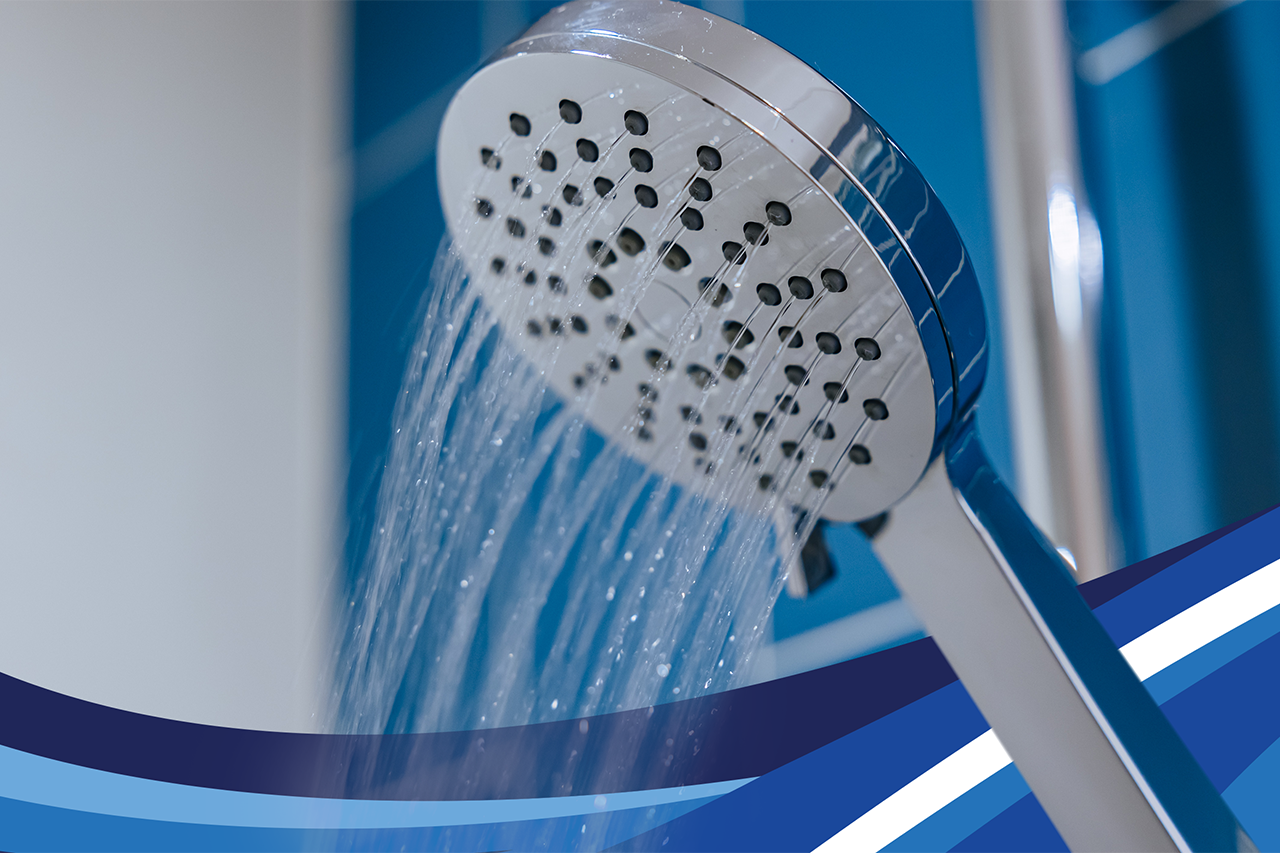
Common Causes of Sudden Low Water Pressure
Once you know whether the issue is happening at one fixture or throughout the whole home, it becomes easier to narrow down the possible cause.
- If One Faucet or Shower Has Low Pressure
- A faucet aerator or showerhead may be clogged – If low water pressure is only happening at one sink or shower, the fixture itself may be the problem. Faucet aerators and showerheads can collect sediment, mineral buildup, or small debris over time. When that happens, the water may still be on, but the flow feels weak.
- What to check first: If one faucet is slow, check the aerator. If one shower has weak pressure, check the showerhead. If the rest of the home has normal pressure, the issue may be fixture-specific.
- The fixture or valve may have a localized issue – Sometimes the issue is not the whole plumbing system. It may be tied to a fixture valve, cartridge, supply line, or debris affecting that one location.
- What to check first: Pay attention to whether the issue happens with hot water, cold water, or both. That can help narrow down whether the issue is fixture-related or connected to another part of the system.
- A faucet aerator or showerhead may be clogged – If low water pressure is only happening at one sink or shower, the fixture itself may be the problem. Faucet aerators and showerheads can collect sediment, mineral buildup, or small debris over time. When that happens, the water may still be on, but the flow feels weak.
- If the Whole House Has Low Water Pressure
- A shut-off valve may not be fully open – Sometimes low pressure comes from a valve that is partially closed. This can happen after plumbing work, appliance installation, homeowner maintenance, winterization, or a recent move. If the valve is not fully open, water may still flow, but pressure and volume can be reduced.
- What to check first: Look at the main shut-off valve if you know where it is and can access it safely. Do not force a stuck valve. If you are unsure, contact a plumbing professional.
- There may be a utility or neighborhood issue – Not every water pressure issue starts inside the home. If your whole house suddenly loses pressure, the cause could be a water main repair, planned outage, utility issue, or neighborhood-level pressure change.
- What to check first: Ask whether nearby neighbors are experiencing the same issue. Look for utility work on your street. If it appears to be a wider issue, contact your water provider.
- Your pressure reducing valve may be failing – Many homes have a pressure reducing valve, often called a PRV. A PRV helps manage the water pressure entering the home. If it is not working properly, pressure may become too low, too high, or inconsistent. You may notice weak flow throughout the home, sudden pressure changes, or pressure that seems to come and go.
- What to check first: Do not try to adjust the PRV unless you know what you are doing. If the whole home has low or inconsistent pressure, have a plumber inspect the valve and the system.
- There may be a hidden leak – A sudden drop in water pressure can sometimes point to a leak. If water is escaping somewhere in the plumbing system, less water may be available at the fixtures. Depending on where the leak is, you may also notice a higher water bill, wet spots, water stains, damp flooring, musty odors, or soft areas in the yard.
- What to check first: Look for visible signs of water where it should not be. Check cabinets under sinks, around toilets, near the water heater, around appliances, and outside near the main water line path. If you suspect a hidden leak, call a plumber.
- A water line problem could be reducing flow
If the pressure drop is dramatic, especially if it affects the whole home, the water service line may need attention. A water line problem can affect the amount of water reaching the home. Depending on the situation, the issue may be related to age, shifting soil, pipe damage, corrosion, or other underground concerns.- What to check first: If your home suddenly has little to no water pressure, do not wait to see if it gets worse. Check for utility outages, then contact a licensed plumber if the issue appears to be isolated to your home.
- If Water Pressure Has Been Getting Worse Over Time
- Mineral buildup or hard water may be affecting flow – Low water pressure does not always happen overnight. In some homes, pressure gradually gets worse because of mineral buildup, sediment, or hard water issues. This may show up first in showerheads, faucets, appliances, or areas of the home that already had weaker flow. Hard water can contribute to build up inside fixtures and plumbing components, which may reduce performance over time.
- What to check first: Notice whether the issue is sudden or gradual. If multiple fixtures have buildup or pressure has slowly declined over time, ask whether hard water, filtration, or aging plumbing may be part of the problem.
- If Low Pressure Started After Plumbing Work or Renovation
- Older plumbing or recent renovation work may be a factor – Older plumbing systems can develop pressure issues as materials age, layouts change, or fixtures are updated. Renovations can also affect water pressure if plumbing is reconfigured, new fixtures are added, pipe sizing changes, or the existing system is not evaluated carefully.
- What to check first: If low pressure started after a renovation, fixture replacement, appliance installation, or plumbing modification, make note of what changed and when. That timeline can help a plumber diagnose the issue faster.
- Older plumbing or recent renovation work may be a factor – Older plumbing systems can develop pressure issues as materials age, layouts change, or fixtures are updated. Renovations can also affect water pressure if plumbing is reconfigured, new fixtures are added, pipe sizing changes, or the existing system is not evaluated carefully.
- Mineral buildup or hard water may be affecting flow – Low water pressure does not always happen overnight. In some homes, pressure gradually gets worse because of mineral buildup, sediment, or hard water issues. This may show up first in showerheads, faucets, appliances, or areas of the home that already had weaker flow. Hard water can contribute to build up inside fixtures and plumbing components, which may reduce performance over time.
- A shut-off valve may not be fully open – Sometimes low pressure comes from a valve that is partially closed. This can happen after plumbing work, appliance installation, homeowner maintenance, winterization, or a recent move. If the valve is not fully open, water may still flow, but pressure and volume can be reduced.
For reference:
- Charlotte Water notes that a clogged faucet aerator can slow flow, a pressure reducing valve may need adjustment, and homeowners should talk to a plumber before adjusting a PRV. Charlotte Water also notes that a sudden pressure drop to almost nothing could be the result of a broken water line.
- EPA WaterSense states that household leaks can waste more than 1 trillion gallons annually nationwide, and the average household’s leaks can waste more than 9,300 gallons per year.
- Our residential plumbing services include water pressure concerns, water lines, leak detection, water filters, water softeners, emergency plumbing repairs, and other residential plumbing needs. We also support renovation and remodel plumbing when plumbing updates need to protect long-term performance.
What Homeowners Can Check First
- Test more than one fixture to see if the issue is isolated or whole-home.
- Check whether both hot and cold water are affected.
- Ask a neighbor if they are experiencing the same issue.
- Look for utility work, outage notices, or reported service issues.
- Check whether the main shut-off valve appears fully open.
- Clean a clogged faucet aerator if only one faucet is affected.
- Check showerheads for buildup if only one shower has weak flow.
- Look for water around toilets, sinks, appliances, the water heater, or exterior areas.
- Review your water bill for unusual increases.
- Note when the issue started and whether it is getting worse.
**Do not adjust a pressure reducing valve, repair water lines, open walls, or attempt plumbing work involving hidden leaks unless you are qualified to do so.
When to Call PBI
Call PBI if your water pressure suddenly drops and does not return, affects the whole home, or comes with signs of a larger plumbing issue. PBI can inspect the system, determine whether the issue is fixture-related or whole-home, and identify whether the problem involves a valve, leak, pressure reducing valve, water line, buildup, or another plumbing concern. This is especially important if you notice:
- Very low water pressure throughout the home
- No water or almost no water
- Water pressure that changes throughout the day
- Wet spots, water stains, or damp cabinets
- A higher-than-normal water bill
- Rusty or discolored water
- Unusual noises when water is running
- Pressure problems after plumbing work or renovation
- Weak pressure in multiple fixtures
- Signs of a leak near the water heater, toilets, sinks, or water line
Contact Us to Schedule a Visit
FAQs
- Why is my water pressure suddenly low? Sudden low water pressure can be caused by a clogged fixture, partially closed shut-off valve, pressure reducing valve issue, leak, water line problem, or utility issue. The first step is determining whether the problem affects one fixture or the whole home.
- Why is only one faucet losing pressure? If only one faucet has low pressure, the issue may be a clogged aerator, debris in the fixture, a valve issue, or a fixture-specific problem.
- Why is water pressure low throughout my whole house? Whole-home low pressure may point to the main shut-off valve, pressure reducing valve, water service line, hidden leak, utility issue, or plumbing system problem.
- Can a leak cause low water pressure? If water is escaping somewhere in the system, pressure and flow at fixtures may drop. Leaks can also increase water bills and cause damage if they are not addressed.
- Can hard water cause low water pressure? Hard water can contribute to mineral buildup in fixtures and plumbing components over time. That buildup may reduce flow, especially at faucets and showerheads.
- Should I adjust my pressure reducing valve myself? It is better to have a plumber inspect it. Charlotte Water advises homeowners to talk to a plumber before adjusting a pressure reducing valve.
- When should I call a plumber for low water pressure? Call a plumber if low water pressure affects the whole home, appears suddenly, keeps getting worse, returns after cleaning a fixture, or comes with signs of a leak, water line issue, or pressure regulator problem.